
[ CRANIAL SOFTWEAR ]
TheCranial Softwear.
Cephalic / cranial region — above the cervical line
Also: Hats · Beanies · Caps · Headwear
[ SPECIMENS ]
The dispensation,
catalogued.
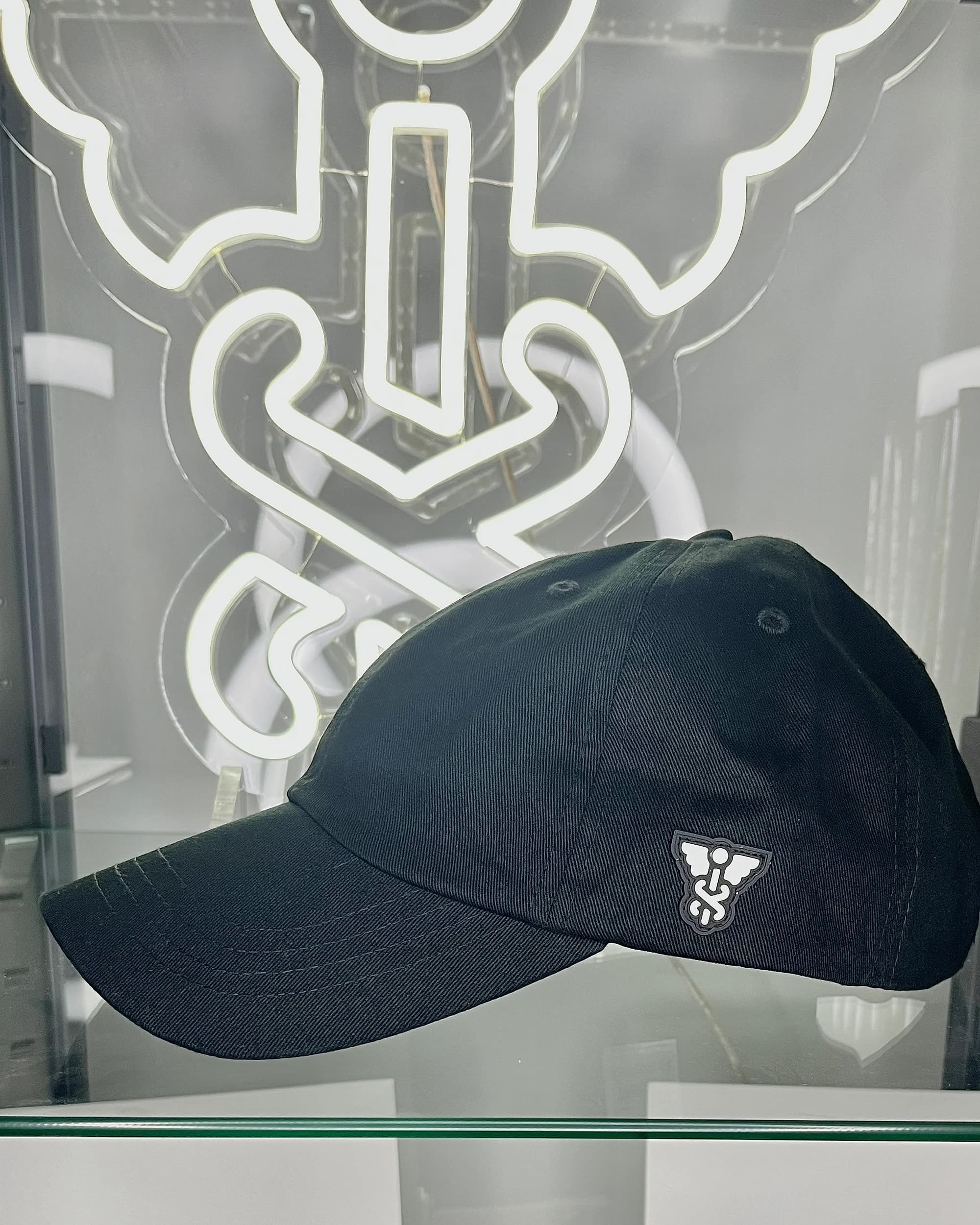
1 specimen in current dispensation
Haven't chosen a dose?
Begin with Intake.
[ DIAGNOSTIC ]
The prescription, explained.
- What is this?
- Cranial Softwear is the category of SOME DOSE specimens worn on the head — beanies, caps, and structured head coverings. The cranial region is the entry point for ambient stimulus: light, sound, weather, screens. The textile here is the first filter.
- Who is it for?
- Prescribed for the chronically overstimulated. Office-bound, screen-bound, transit-bound. Anyone whose first hour of the day involves cold air, low light, and uninterrupted external input before the body has fully resolved its own.
- What does it cost?
- Cranial specimens are priced from €45 to €120, EUR, VAT included. Made-to-order specimens ship within three to four weeks. In-stock specimens ship from Ireland within two business days.
- How does it work?
- Select by climate and intended exposure. Merino-knit beanies regulate temperature passively for daily wear. Structured caps provide directional light shielding. Each specimen lists fiber, weight in grams per square metre, and recommended wear conditions on its product page.
[ FAQ ]
Common questions.
- What is Cranial Softwear?
- Cranial Softwear is SOME DOSE's term for headwear — specimens worn on the cephalic region. The category exists because the head is the first body region to register ambient stimulus, and textile placed there functions as a regulator, not an accessory.
- What materials are used in Cranial specimens?
- Primary fiber is Merino wool — fine-staple, under 20 microns, the threshold below which wool does not register as irritating against skin. Some specimens use cotton-jersey lining for direct skin contact. Material composition is listed per-product with weight in grams per square metre.
- How should Cranial Softwear be cared for?
- Cold hand-wash or wool cycle at 30°C, no tumble drying, dry flat. Merino is self-deodorising, so wash less than conventional headwear. See the wool care protocol at /care/wool.
Last updated: May 2026